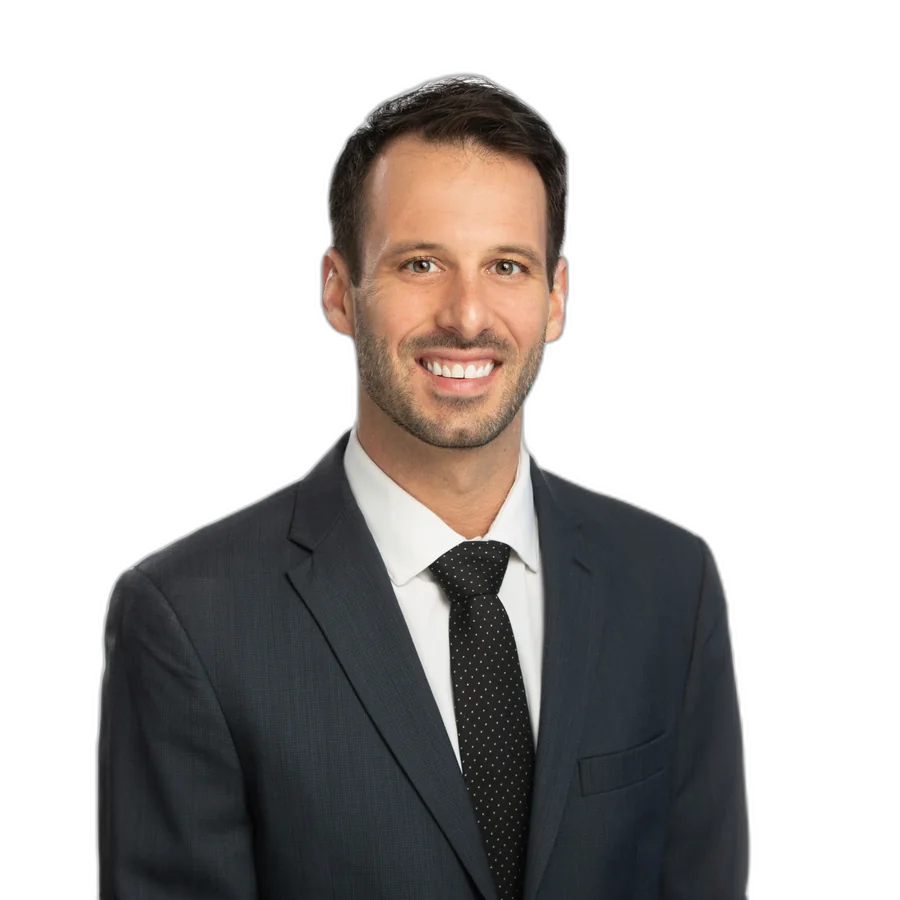
NMLS#: 2653540 (Company) · 513013 (Adam Styer)
A DSCR loan in Texas qualifies you on the rental property's cash flow — instead of relying primarily on your personal tax-return income. That makes Texas the most-funded DSCR state in the country in 2026. With zero state income tax, the largest 5-year population gain of any U.S. state, and pro-business HQ relocations from California and the Northeast, out-of-state investors are pouring capital into Texas single-family and short-term rentals. Adam Styer (NMLS #513013) closes Texas DSCR loans for in-state and out-of-state buyers — Austin, Houston, Dallas-Fort Worth, San Antonio, and the Hill Country — at 2026 rates ranging roughly 6.12–6.37% for strong-profile borrowers, with some investor options available for lower-ratio or unusual scenarios when the rest of the file supports it.
Why Texas Cash-Flows Better Than California or New York
An investor in Sacramento earning $80,000 of rental income pays roughly 9.3% to California — about $7,400 a year. The same investor running the same property in San Antonio pays zero state income tax. That delta compounds. Across a portfolio of three or four doors, the Texas tax advantage alone funds the down payment on the next deal every two to three years.
And the migration data backs it up. Texas led the nation in net population gain from 2020 through 2025, adding more residents than any other state per U.S. Census Bureau estimates. The capital is following the people. Tesla moved its HQ from Palo Alto to Austin. Oracle moved from Redwood City to Austin (and now Nashville, but the Texas footprint stayed). Charles Schwab moved from San Francisco to Westlake. Caterpillar moved from Illinois to Irving. Toyota North America is in Plano. Samsung committed $17 billion to a chip fab in Taylor. HPE relocated its HQ from California to Spring (Houston). Each of those moves brought thousands of jobs — and every one of those jobs is a renter.
Property tax is the trade-off. Texas runs 1.6 to 2.2 percent of assessed value depending on county and city, which is higher than California's Prop-13-capped ~1.0 percent. But Texas purchase prices are dramatically lower outside the urban cores. A $325,000 single-family rental in San Antonio with $2,250 rent will cash-flow. A comparable house in Sacramento or Long Island runs $700K+ and the math collapses.
Texas also has no franchise tax on LLCs earning under approximately $1.23 million in annual revenue. For most single-property investor LLCs, that means $0 in entity-level tax. California, by contrast, charges $800 per LLC per year regardless of revenue.
Top Texas Markets for DSCR Investors in 2026
Different Texas markets pencil for different DSCR strategies. Here is where the deals are actually getting funded right now.
Austin Metro — Appreciation Plays + Suburban Cash-Flow
Core Austin (East Austin, 78704, 78745) rarely cash-flows on long-term rent in 2026 — investors here are betting on appreciation and short-term rental strategies near downtown, the Domain, and South Congress. Suburban Austin — Round Rock, Pflugerville, Hutto, Manor — is where DSCR ratios actually pencil at 1.0 to 1.10 on standard W-2-renter long-term leases. Tesla's Gigafactory in Del Valle and Samsung's Taylor fab are pulling tens of thousands of workers into these submarkets. Full Austin breakdown: DSCR loans Austin TX.
San Antonio — Best DSCR Math in Texas
Sub-$300K single-family inventory still exists in San Antonio. Pair that with $1,800–$2,200 rents and DSCR ratios routinely come in at 1.10 to 1.25 with no contortions. Joint Base San Antonio (Lackland, Randolph, Fort Sam Houston) anchors a permanent military rental population. The medical district and the South Texas Medical Center add white-collar renters. This is where California and New York investors are quietly closing the most DSCR deals in 2026.
Dallas-Fort Worth — Corporate Migration Tailwind
DFW is the largest corporate-relocation destination in the country. Toyota in Plano, Charles Schwab in Westlake, Caterpillar in Irving, McKesson in Las Colinas, JPMorgan's expansion in Plano. Fort Worth, Arlington, McKinney, Frisco, and Mansfield all have strong long-term rental demand. DSCR pricing is competitive and inventory is broad — single-family, townhomes, and small multifamily.
Houston — Diversified Demand, Energy + Medical
Houston is the most economically diversified Texas metro — energy, the Texas Medical Center (the largest medical complex in the world), the Port of Houston, and aerospace. Suburbs like Katy, Spring, Cypress, and Sugar Land draw consistent W-2 renters. Houston also has lower entry prices than Austin or DFW, which helps DSCR ratios pencil.
Hill Country — STR Country
Fredericksburg, Dripping Springs, Wimberley, New Braunfels, and the broader Texas Wine Country corridor are where DSCR + short-term rental converge. AirDNA-projected revenue on a Fredericksburg cottage or a Dripping Springs wedding-venue STR routinely lands DSCR at 1.20 to 1.50. Year-round wine tourism, weddings, and Austin weekend traffic feed the demand. DSCR loans Fredericksburg TX · DSCR loans Dripping Springs.
Secondary Markets Worth Watching
Killeen (Fort Cavazos rental demand), Lubbock (Texas Tech off-campus), Tyler and Longview (East Texas value), College Station (Texas A&M), McAllen and the Rio Grande Valley (border-industry growth). These markets do not get the headlines — but the DSCR math often beats anything in the major metros.
The Texas DSCR Math — Worked Example
Here is what a typical Texas DSCR deal looks like in 2026. Numbers below assume a 740 credit score, 25% down, 30-year fixed at 6.25%, and a San Antonio single-family rental.
Purchase price: $325,000
Down payment (25%): $81,250
Loan amount: $243,750
P&I (6.25%, 30-yr): ~$1,500/mo
Property tax (1.9% of price): ~$515/mo
Insurance: ~$135/mo
Total PITIA: ~$2,150/mo
Market rent: $2,475/mo
DSCR ratio: 2,475 ÷ 2,150 = 1.15
This deal qualifies cleanly. 1.15 is comfortably above the 1.0 minimum most DSCR lenders require, and it positions for standard pricing. If the rent came in at $2,300 instead, the ratio drops to 1.07 — still approvable, but pricing tightens. If the rent came in at $2,150 (a 1.0 ratio), most lenders will still fund — pricing is closer to the lender ceiling. Below 1.0, you are looking at a 0.75-DSCR program (smaller pool of lenders, higher rate) or a no-ratio program.
The key Texas-specific number above: $515/month in property tax. That is the Texas reality. Out-of-state investors used to California or Oregon tax rates underestimate Texas escrow by 30 to 50 percent on the first run-through. Build the real number in or your DSCR will surprise you at appraisal.
Texas DSCR Loan Programs — Rates, Ratios, LTV, Reserves
Here is the 2026 program landscape across the wholesale DSCR lenders I work with. These ranges are representative — your actual pricing depends on credit, DSCR, property type, and lender.
Standard DSCR (1.0+ ratio)
Minimum 680 credit, 20–25% down, DSCR of 1.0 or higher. 2026 rates roughly 6.12–6.37% for strong-profile borrowers (740+ credit, 1.25+ DSCR, 25% down). This is the bread-and-butter Texas DSCR program — most deals fund here.
Below-1.0 DSCR (0.75 minimum)
For deals where rent does not fully cover PITIA — common in core Austin and parts of Dallas. Requires 25–30% down, 700+ credit, 6+ months reserves. Rate sits ~0.25–0.50% above standard DSCR pricing.
No-Ratio DSCR
Skips the rental income calculation entirely. Approval is on credit, down payment, and reserves. 30–35% down, 700+ credit. Rate roughly 0.50–0.875% above standard DSCR. Use when rent does not pencil, the property is new construction without a lease, or you want flexibility on use.
Short-Term Rental DSCR
Lender uses AirDNA projected revenue or 12 months of actual booking history. Typically 25–30% down, 700+ credit. Strongest in Hill Country (Fredericksburg, Dripping Springs, Wimberley) and Austin near downtown, the Domain, and COTA.
LLC Vesting
Most Texas DSCR loans close in an LLC (Texas LLC strongly preferred; foreign LLC registration $750). Personal guarantee from members is standard. Articles, operating agreement, EIN, and certificate of good standing required at underwriting.
Reserves
Typically 6–12 months of PITIA in liquid reserves post-close. Retirement accounts count at 70% of value. Reserves are verified — not spent at closing. For STR deals, expect 9–12 months on the higher end.
Out-of-State Investor Considerations
Most of my Texas DSCR closings in 2026 are with buyers based in California, New York, Illinois, New Jersey, and Washington. The mechanics are well-worn — but there are a few Texas-specific pieces to know.
LLC Structure
You have three options: (1) form a new Texas LLC for the property — clean, $300 formation fee, no franchise tax under $1.23M revenue; (2) register your existing California or other-state LLC as a foreign LLC in Texas — $750 filing fee, plus you may owe state-of-formation fees on Texas income; (3) close in your name and quit-claim into an LLC post-close (some lenders now allow this without triggering a due-on-sale clause — confirm with the lender first). Most of my out-of-state buyers form a new Texas series LLC for clean separation.
Remote Closing
Texas allows mobile notary closings and several Texas title companies offer hybrid e-closings. You sign at home, the title company coordinates the Texas-side notary and recording, and your wire funds escrow. Standard out-of-state DSCR closing in Texas runs a timeline driven by program, property, appraisal, and documentation. You do not need to fly in.
Property Management
Almost every out-of-state investor I work with hires a Texas property manager. DSCR underwriting does not require it, but most lenders want to see a management plan if you are not local. Standard fee is 8 to 10 percent of monthly rent for long-term, 20 to 25 percent for short-term rentals. Build that into your DSCR cash-flow analysis up front.
Texas-Specific Underwriting Notes
Texas Home Equity 50(a)(6) rules apply only to primary-residence cash-out refinances — they do not affect investment property DSCR loans. Title commitments in Texas are issued by Texas-licensed underwriters with state-promulgated rates, so your title quote will look different from a California or Northeast closing. Property tax is collected in arrears in Texas, which affects how proration appears on your closing disclosure.
Why Work With a Texas-Based Broker on Your Texas DSCR Loan
You can get a Texas DSCR loan from an out-of-state broker. You can also get one through a direct-lender call center. Here is what changes when you work with someone who actually closes in Texas every week.
I know the appraisers. Texas appraisal panels matter. A Bexar County appraiser is not the same as a Travis County appraiser is not the same as a Gillespie County appraiser. I have working relationships with Texas-licensed appraisers who turn around investment-property reports in 5 to 8 days, not 3 weeks.
I know the title companies. Texas title commitments have specific schedules — A, B, C, D — and Texas has unique survey and homestead-affidavit requirements. I work with a short list of title companies that close DSCR investor deals smoothly and do not stall on out-of-state buyer paperwork.
I know Texas tax and insurance reality. The number-one DSCR surprise for out-of-state buyers is property tax escrow. The number-two is homeowners insurance — Texas wind, hail, and (in the coastal counties) windstorm policies are priced differently from California or Northeast policies. I quote the real Texas escrow number up front so your DSCR ratio at appraisal matches your DSCR ratio at application.
I know the wholesale DSCR lender bench. I broker through 40+ wholesale lenders, and I know which ones actually close clean Texas DSCR deals — and which ones take an extra 10 days because they do not handle Texas title quirks well.
Texas Cities and Markets I Originate In
I close DSCR loans across Texas. Specific market pages and suburb resources:
Austin Metro: Austin · Round Rock · Cedar Park · Leander · Georgetown · Pflugerville · Buda · Bee Cave · Dripping Springs · Elgin · Bastrop
Hill Country STR markets: Fredericksburg · Dripping Springs · Wimberley · New Braunfels · San Marcos
Major metros: San Antonio · Houston (Katy, Spring, Cypress, Sugar Land) · Dallas-Fort Worth (Plano, Frisco, McKinney, Arlington, Mansfield, Las Colinas)
Other Texas markets: Killeen · Lubbock · Tyler · Longview · College Station · Waco · McAllen · Corpus Christi
Texas DSCR Loan FAQ
Three reasons. First, zero state income tax — California investors pay 9.3% on rental income; Texas investors pay 0%. Second, the population gain — Texas added more residents than any other state from 2020 through 2025 per U.S. Census data, and renters follow population. Third, corporate HQ migration: Tesla, Oracle, Charles Schwab, Caterpillar, Toyota, McKesson, HPE, Samsung have all relocated or expanded major operations to Texas in the last five years. Each of those moves brought thousands of W-2 jobs, which is rental demand.
Yes. DSCR loans are designed around the property, not your residence. You can live in California, Illinois, New Jersey, Washington, anywhere — and close on a Texas rental remotely. Mobile notary or e-closing handles the signing. You wire your down payment and reserves. The loan funds. Most of my out-of-state Texas DSCR closings happen without the buyer ever flying to Texas.
Most DSCR lenders prefer that the LLC holding title be either a Texas LLC or registered as a foreign LLC doing business in Texas. Foreign LLC registration with the Texas Secretary of State is $750. The cleanest path for most out-of-state buyers is to form a new Texas LLC for the property — formation is $300, and there is no Texas franchise tax for entities under approximately $1.23 million in annual revenue. A small number of DSCR lenders do allow direct vesting in an out-of-state LLC, but it limits your shop.
Texas property tax runs roughly 1.6 to 2.2 percent of assessed value depending on county and city — meaningfully higher than most other states. The trade-off is no state income tax. For DSCR underwriting, the lender uses actual property tax (or estimated tax based on purchase price) inside PITIA. On a $325,000 Texas single-family rental, expect $450 to $600 per month in property taxes alone. Out-of-state buyers used to California Prop 13 caps almost always underestimate this. Run your DSCR with the real Texas number.
Standard DSCR programs require 20 to 25 percent down for single-family and 2-4 unit properties. Strong-credit borrowers (740+) with DSCR above 1.25 can sometimes access 15 percent down options. No-ratio DSCR programs (which skip rental income calculation) require 30 to 35 percent down. Short-term rental properties — particularly in Hill Country — typically require 25 to 30 percent.
No. DSCR rates are priced on a national wholesale basis — Texas borrowers are not penalized for the state. As of mid-2026, DSCR rates run roughly 6.12 to 6.37 percent for a strong-profile borrower (740+ credit, 25% down, 1.25+ DSCR), with no-ratio programs sitting 0.50 to 0.875 percent above standard pricing. Rates change daily with the bond market. As a broker with access to 40+ wholesale DSCR investors, I shop your scenario across multiple lenders.
Yes. Hill Country STR markets are some of the strongest DSCR markets in Texas right now. Most DSCR lenders use AirDNA projected revenue or 12 months of actual booking history. Fredericksburg, Dripping Springs, Wimberley, and New Braunfels routinely pencil at 1.15 to 1.40 DSCR with conservative occupancy assumptions. Confirm STR permitting with the city or county before going under contract — some Hill Country jurisdictions have ordinances that affect new STR registrations.
A no-ratio DSCR loan skips the rental income calculation entirely — approval is based on credit, down payment, and reserves. Use it when rent does not pencil to a 1.0 DSCR (common in core Austin and parts of Dallas), when the property is new construction without a market rent yet, or when you are buying for appreciation and plan to rent later. Trade-offs: 30 to 35 percent down minimum, slightly higher rate, tighter credit and reserve requirements.
No. Texas allows mobile notary closings, and several Texas title companies offer hybrid e-closings. We coordinate the title company, the notary, and the wire so you can sign at home and your funds clear into escrow on schedule. Standard out-of-state DSCR closing in Texas runs a timeline driven by program, property, appraisal, and documentation from contract to funding.
★★★★★
"I live in Orange County and bought my second Texas rental this year through Adam. Closed in 24 days, never set foot in Texas. He had the property tax escrow numbers nailed up front so there were no surprises at the CD."
Read More ReviewsQuick Answers About Texas DSCR Loans
What is the DSCR formula?
DSCR is generally calculated by dividing qualifying rental income by the monthly PITIA payment. If the property rents for $3,000 and PITIA is $2,500, the DSCR is 1.20.
Can out-of-state investors use DSCR loans in Texas?
Yes, when the property, title, entity, credit, down payment, reserves, and rental income meet program guidelines. Texas property taxes and insurance should be modeled early because they affect the DSCR ratio.
What is a good DSCR ratio?
Many lenders prefer a DSCR at or above 1.00, and stronger ratios can improve program options. Some scenarios below 1.00 may be possible with more down payment or different terms, but program fit is lender-specific.
DSCR vs Conventional Investor Loan
| Factor | DSCR | Conventional investor |
|---|---|---|
| Income review | Property cash flow | Personal income and debts |
| Best for | Portfolio growth and complex income | Borrowers with clean DTI and agency fit |
| Trade-off | More flexible income review, often higher pricing | Lower agency pricing, stricter personal-income math |
Reviewed by Adam Styer, NMLS #513013. Adam is licensed in Texas through Kyber Mortgage Corporation dba HyperSmart Home Loans, NMLS #2653540. This page is educational and is not a commitment to lend.
Related Complex-Income Pages
DSCR is one tool. Depending on your scenario, another investor program may fit better.
- DSCR Loans Austin TX — full Austin-specific guide with worked scenarios
- DSCR Loans Fredericksburg TX — Hill Country wine-country STR plays
- DSCR Loans Dripping Springs — wedding-venue STR market
- Investor Loans Overview — DSCR vs. conventional vs. portfolio
- Non-QM Loans — bank statement, asset depletion, and other Non-QM programs
- Investment Property Financing — full program inventory
Run Your Texas DSCR Deal Numbers
Tell me the property address, the projected rent, and the purchase price. I will calculate your DSCR ratio with real Texas property tax and insurance numbers — usually same day. Out-of-state investors welcome.
Run the DSCR Math Schedule a Strategy Call →Or call (512) 956-6010 — NMLS #513013